
Category

Dental News and Tips

Dehydration: How Will It Affect My Smile?

By Dental News and Tips

When you think of dehydration, you might picture feeling thirsty or tired—but did you know it can also affect your smile? Staying hydrated is important in maintaining both healthy teeth and gums. Even mild dehydration can impact your oral health in ways you might not expect.

The Role of Saliva in Oral Health

Saliva plays a vital role in keeping your mouth healthy. It helps wash away food particles, neutralize harmful acids, and support the natural remineralization of tooth enamel. When you’re dehydrated, saliva production decreases, leading to a condition known as dry mouth (xerostomia).

Consequences of a Dry Mouth

Without enough saliva, bacteria and food debris can linger on your teeth and gums, leading to bad breath, plaque buildup, and an increased risk of cavities. Over a period of time, a persistently dry mouth can also contribute to gum irritation and increase the risk of infection. 

The Link Between Hydration and a Bright Smile

Adequate hydration doesn’t just prevent decay—it also supports a naturally bright smile. Saliva helps keep your enamel strong and prevents discoloration caused by lingering acids or food particles.

How to Stay Hydrated and Protect Your Smile

Drink plenty of water throughout the day, especially after consuming coffee, alcohol, or salty foods, which can contribute to dehydration. You can also eat water-rich fruits and vegetables like cucumbers and oranges to boost your hydration levels.

If you’re experiencing chronic dry mouth, your Mission Viejo dentist at Pro Health Dental can help identify the cause and recommend treatment. Under our expert care, you can restore comfort, freshness, and balance to your smile.

Potential Reasons for Teeth Grinding

By Dental News and Tips

Teeth grinding can occur while you’re awake or asleep. Many patients do not notice that they grind their teeth until a partner mentions the noise at night or a dentist notices the signs during an exam. Although it may seem initially harmless, chronic teeth grinding can lead to jaw pain, tooth damage, headaches, and even disrupted sleep. Understanding the potential causes of bruxism is the first step toward effective management.

Stress and Anxiety

One of the most common triggers for teeth grinding is emotional stress or anxiety. People who are under pressure may clench their jaw or grind their teeth without realizing it, especially during sleep. This process can become a physical outlet for unresolved tension and nervous energy.

Sleep Disorders

Teeth grinding is often linked to other sleep disorders, such as sleep apnea. Individuals with obstructive sleep apnea may clench or grind their teeth in response to interrupted breathing. Treating the underlying sleep condition can often reduce or eliminate bruxism.

Misaligned Bite or Missing Teeth

Dental misalignment—where the teeth don’t fit together properly—can cause grinding as your jaw tries to find a more comfortable position. Missing or crooked teeth can also contribute to bruxism, especially if the bite imbalance causes jaw strain during rest.

Lifestyle Habits

Certain habits and substances can elevate teeth grinding risks. These include smoking, excessive alcohol consumption, and use of stimulants like caffeine or certain medications. These factors may over-activate the muscles responsible for jaw movement, especially at night.

Medications and Medical Conditions

Some antidepressants and psychiatric medications can lead to bruxism as a side effect. Additionally, neurological conditions such as Parkinson’s disease and Huntington’s disease have been associated with involuntary teeth grinding.

Personality Type

Individuals with aggressive, competitive, or hyperactive personalities may be more likely to grind their teeth. These personality traits may lead to additional muscle tension and unconscious jaw activity.

How Your Mission Viejo Dentist Can Help

If you suspect you grind your teeth—whether you’re waking up with jaw pain or your partner hears it at night—a dental evaluation is essential. At Pro Health Dental in Mission Viejo, Dr. Gruita offers customized solutions, including nightguards to protect your teeth and minimize muscle strain. As a highly experienced cosmetic dentist, Dr. Gruita can also assess any damage caused by grinding and recommend restorative treatments if needed.

Periodontal Consultation

Why a Periodontal Consultation is Recommended

By Dental News and Tips

Maintaining healthy gums is just as important as keeping your teeth clean. While many dental visits focus on cavities or cosmetic concerns, your gums play a foundational role in your overall oral health. This is why a periodontal consultation is strongly recommended—especially if you’re experiencing symptoms like gum bleeding, swelling, or persistent bad breath.

Detect Early Signs of Gum Disease

A periodontal consultation involves a comprehensive evaluation of your gums and supporting structures. It is designed to detect early signs of gum disease (gingivitis or periodontitis), assess bone loss, and review any habits or health conditions that may contribute to gum issues. The earlier these concerns are detected, the more conservative and effective the treatment options will be.

Problems May Not Be Visible Until their Advanced Stages

Gum disease is often silent in its early stages. Many patients don’t realize they have a problem until it has progressed. Left untreated, periodontal disease can lead to gum recession, tooth mobility, and eventually tooth loss. Even more concerning, advanced gum disease has been linked to systemic conditions such as diabetes, heart disease, and respiratory illness.

At our practice in Mission Viejo, Dr. Gruita brings more than 17 years of expertise to every dental evaluation, including periodontal consultations. After obtaining her California Dental License from UOP San Francisco in 2002, Dr. Gruita practiced in both Mission Viejo and Newport Beach. She is a committed lifelong learner, having completed countless hours of continuing education to stay at the forefront of dentistry.

Dr. Gruita is a certified provider of Invisalign orthodontics and integrates her knowledge of healthy, functional, and aesthetic dentistry into all areas of care—including gum health. Whether you’re seeking preventive care or already suspect gum disease, she takes a comprehensive, patient-focused approach to help you achieve optimal oral health.

Her long-standing membership in professional organizations like the American Dental Association (ADA), California Dental Association (CDA), and the Orange County Dental Society (OCDS) since 2002 reflects her commitment to high standards of care. As a proud member of the Mission Viejo Chamber of Commerce and a multi-year recipient of the “America’s Top Dentist” recognition, Dr. Gruita is deeply invested in both her professional excellence and her local community.

If it’s been a while since your last gum evaluation—or if you’re experiencing symptoms of gum irritation—now is the time to schedule a periodontal consultation. Early action protects your teeth, gums, and overall well-being. With our Mission Viejo dentist’s experienced care, you can feel confident knowing your oral health is in expert hands.

Removing Daily Buildup to Protect Your Teeth

By Dental News and Tips

Each day, plaque can accumulate on your teeth—a soft, sticky film full of bacteria. This daily buildup, if not removed, can harden into tartar and lead to cavities, gum disease, and bad breath. That’s why daily oral hygiene habits are essential for maintaining a healthy smile.

Choose the Right Toothpaste

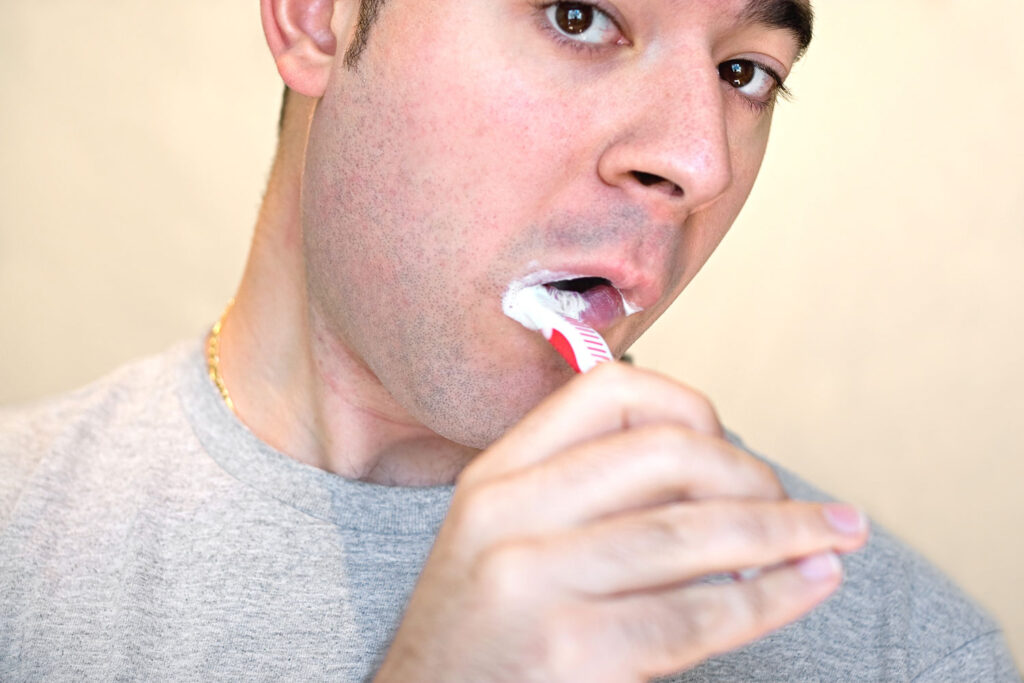
Brushing your teeth twice a day for two minutes is the first step. Use a fluoride toothpaste and a soft-bristled toothbrush, brushing all surfaces of your teeth—including the fronts, backs, and chewing surfaces. Don’t forget to brush your tongue, where bacteria also reside.

Removing Plaque and Food Debris

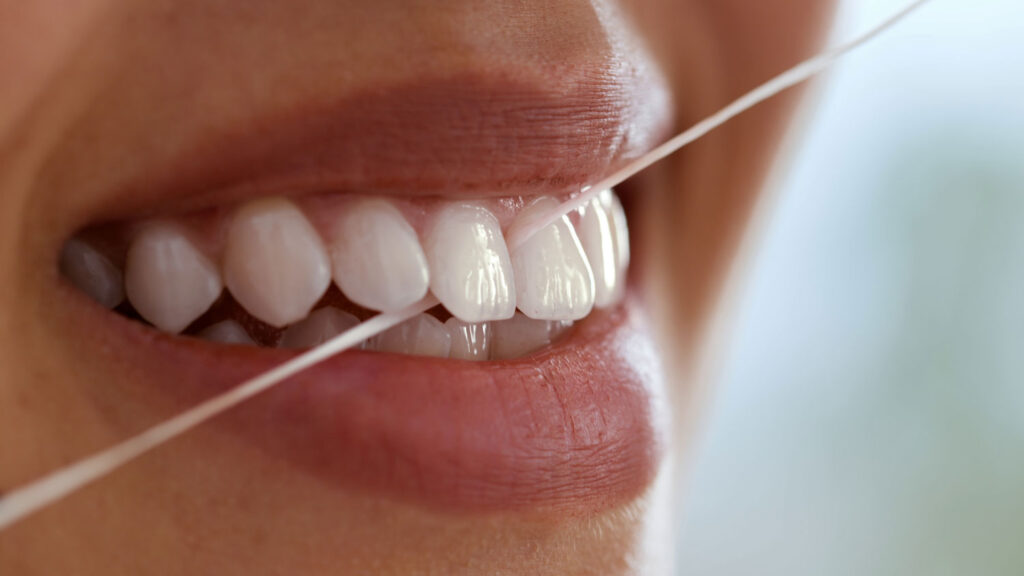
Flossing complements brushing by removing plaque and food debris from between your teeth and along the gumline. These are areas where a toothbrush simply can’t reach.

Mouthwash can also be a useful addition to your routine. Antibacterial rinses help reduce bacteria and freshen breath, while fluoride rinses strengthen enamel.

Regular Dental Exams

In addition to your home care routine, regular visits to your dentist at Pro Health Dental in Mission Viejo are vital. Even with excellent brushing and flossing, some plaque will harden into tartar, which can only be removed with professional cleaning. Our team, including our experienced cosmetic dentist, ensures that your teeth remain clean, healthy, and beautiful.

Removing daily buildup is not just about avoiding cavities—it’s about protecting your overall health. Poor oral hygiene has been linked to heart disease, diabetes, and respiratory problems. By being consistent and thorough with your daily routine, you’re investing in a lifetime of healthy smiles.

Flossing with the Proper Technique Matters

By Dental News and Tips

Flossing is an essential part of daily oral hygiene, yet many people either skip it or do it incorrectly. Proper flossing removes plaque and food particles from between teeth and along the gumline—areas your toothbrush can’t reach.

A Gentle Method and Approach

To floss correctly, start with about 18 inches of dental floss, winding most of it around your middle fingers and leaving a couple of inches to work with. Use a gentle motion to slide the floss between your teeth using a back-and-forth motion. Avoid snapping the floss, which can harm the gums.

Flossing Between Teeth

Once the floss is between the teeth, curve it into a “C” shape against one tooth and slide it gently beneath the gumline. Then, use an up-and-down motion to clean the side of the tooth. Repeat this process on the adjacent tooth and continue the routine for all your teeth, including the back molars.

Preventing Plaque Buildup

Flossing improperly—or not at all—can lead to plaque buildup, gum inflammation, and even periodontal disease. At Pro Health Dental, we emphasize the importance of technique as much as consistency to protect your oral health.

Whether you’re using traditional floss, floss picks, or a water flosser, what matters most is reaching those tight spaces and cleaning thoroughly. Proper flossing only takes a few minutes each day but can save you from cavities, gum disease, and more significant dental work down the road.

How Does a Tooth Become Infected?

By Dental News and Tips

A tooth infection, also known as a dental abscess, occurs when bacteria invade the innermost part of the tooth, known as the pulp. This soft tissue contains nerves and blood vessels, and once infected, it can cause pain, swelling, and serious complications if left untreated.

Tooth Decay

The infection can begin with tooth decay. When plaque—a sticky film of bacteria and food particles—builds up on your teeth and isn’t removed by brushing and flossing, it starts to erode the enamel. As the enamel wears down, bacteria can reach deeper layers of the tooth.

If the decay progresses past the enamel and dentin, it reaches the pulp. Here, the bacteria multiply and cause inflammation. The body responds with an immune reaction, often leading to pus buildup, swelling, and pain. In some cases, the infection can spread to the surrounding bone or tissue, making the condition more dangerous.

Tooth Trauma

Cracks or trauma to the tooth can also open a direct path for bacteria to enter the pulp, even in the absence of decay. This is why protecting your teeth during sports or after dental procedures is important to your long-term health.

Signs of a tooth infection include severe toothache, sensitivity to hot or cold, swollen gums, a bad taste in the mouth, or even fever. If you notice these symptoms, prompt dental treatment is essential.

At Pro Health Dental in Mission Viejo, our team—including our cosmetic dentist—can treat infected teeth with procedures like root canals or extractions when necessary, helping you regain comfort and health.

Bad Breath: Causes and Treatment Options from Your Mission Viejo Dentist

By Dental News and Tips

Bad breath, or halitosis, can be a distracting condition that affects millions of people. While occasional bad breath is normal, persistent halitosis can indicate underlying dental or health issues. Recognizing the causes and treatment options can help you maintain fresh breath and improve your oral health.

Poor Oral Hygiene

The most common cause of bad breath is inadequate oral hygiene. When food particles and bacteria accumulate in the mouth, they produce foul-smelling compounds. Brushing and flossing regularly can help prevent this buildup.

Dry Mouth (Xerostomia)

Saliva helps clean away bacteria and food debris. A lack of saliva, often caused by dehydration, medications, or certain medical conditions, can lead to bad breath.

Gum Disease

Persistent bad breath may be a sign of gum disease (periodontitis). Bacteria trapped in gum pockets produce toxins that cause inflammation and an unpleasant odor.

Dietary Choices

Certain foods, such as garlic, onions, and spicy dishes, can contribute to bad breath. These foods release sulfur compounds that linger in the mouth and bloodstream, increasing the risk of bad breath, or halitosis.

Smoking and Tobacco Use

Tobacco products not only cause bad breath but also contribute to gum disease and dry mouth. The chemicals in tobacco can linger in the mouth, leading to a persistent foul odor.

Medical Conditions

Some systemic conditions, such as diabetes, acid reflux, sinus infections, and liver or kidney disease, can contribute to bad breath. If bad breath persists despite good oral hygiene, a medical evaluation may be necessary.

Treatment Options to Consider

Maintain Good Oral Hygiene

Brush your teeth at least twice a day with fluoride toothpaste and floss daily to remove food particles and plaque. Don’t forget to clean your tongue, as bacteria can accumulate on its surface.

Maintain Adequate Hydration

Drinking plenty of water throughout the day helps promote saliva production and clean away bad bacteria. Chewing sugar-free gum can also help keep your mouth moist.

Visit Your Dentist Regularly

Routine dental check-ups at Pro Health Dental in Mission Viejo can help detect and treat underlying issues contributing to bad breath. A cosmetic dentist can also provide professional cleanings and treatments for persistent halitosis.

Address Gum Disease

If gum disease is causing bad breath, your dentist may recommend deep cleaning treatments like scaling and root planing to remove bacteria from below the gum line.

Watch Your Diet

Avoid excessive consumption of odorous foods and beverages, such as coffee and alcohol. Instead, eat crunchy fruits and vegetables that help clean teeth naturally.

Bad breath can be embarrassing, but it is often treatable with proper oral care and lifestyle adjustments. If this is a condition you are struggling with, schedule an appointment at Pro Health Dental for a professional evaluation and treatment plan.

Our Technology Mobile

Avoid Leaving Cavities Untreated

By Dental News and Tips

Cavities, also known as dental caries or tooth decay, are among the most common oral health issues. Despite their prevalence, many people underestimate the impact of untreated cavities. Ignoring even a small cavity can lead to significant dental problems, discomfort, and costly treatments. 

Cavities develop when plaque, a sticky film of bacteria, builds up on the teeth and produces acid after consuming sugary or starchy foods. This acid erodes the tooth enamel, creating small holes or cavities. Without treatment, the decay can progress deeper into the tooth, affecting the dentin and pulp layers.

The Risks of Leaving Cavities Untreated

Increased Decay

A cavity that remains untreated will continue to grow as bacteria and acid spread. What starts as a minor issue can quickly escalate into a much larger problem, requiring more extensive intervention.

Tooth Pain and Sensitivity

As decay develops, it can infect the inner layers of the tooth, causing heightened sensitivity to hot, cold, or sweet foods. Severe decay may lead to constant tooth pain, making everyday activities like eating and talking uncomfortable.

Infections and Abscesses

When bacteria reach the tooth’s pulp, the infection can worsen. This often increases risks of abscess—a painful pocket of pus that can spread to the surrounding tissues, jawbone, and even other parts of the body. In some cases, untreated abscesses can pose life-threatening risks.

Tooth Loss

Advanced decay can damage the tooth to the point where it can no longer be saved. Tooth extraction might become necessary, which can affect your smile, chewing ability, and self-confidence.

Costly Treatments 

Treating a cavity in its early stages usually involves a simple filling. However, delaying treatment often necessitates more invasive and expensive procedures, such as root canals, crowns, or even tooth replacement options like dental implants.

Preventing and Treating Cavities

The best way to avoid untreated cavities is by preventing them in the first place. Maintaining a strong oral hygiene routine, including brushing twice a day with fluoride toothpaste and flossing daily, is key. Regular dental check-ups allow your dentist to detect and treat cavities before they worsen.

If you already have a cavity, don’t delay treatment. Early intervention, such as a filling, can restore the tooth and prevent further damage. For patients seeking aesthetic solutions, a cosmetic dentist can offer discreet filling materials that blend seamlessly with your natural teeth.

Cavities are a common but serious dental issue that should never be ignored. Treating them promptly protects your oral health, prevents pain, and saves you from costly procedures in the future. Schedule your appointment with our Mission Viejo dentist today to keep your smile healthy and vibrant.

Laser Dentistry Mobile

How to Choose the Right Toothbrush and Toothpaste

By Dental News and Tips

The right toothbrush and toothpaste can be valuable in maintaining your dental health. But with a number of options on the market, finding the ideal products can be challenging. Here is a guide that can help you select the best toothbrush and toothpaste for your specific needs.

Bristle Softness

Many dental health experts recommend a toothbrush that has soft bristles. Soft bristles are effective at removing plaque and food particles while protecting your gums from damage. Medium or hard bristles can be abrasive, potentially leading to gum recession or enamel erosion over time.

Manual vs. Electric

Both manual and electric toothbrushes are effective when used correctly, but electric toothbrushes can provide added benefits for many patients. For people with limited mobility, arthritis, or difficulty brushing thoroughly, electric toothbrushes can make brushing easier and more effective. They often have timers to ensure you’re brushing for the recommended two minutes and can help remove plaque more efficiently.

Brush Head Size and Shape

A toothbrush with a smaller head allows for easier brush movement, particularly when cleaning more difficult-to-reach spaces. Toothbrushes with rounded or compact heads can make it easier to reach tight spaces, which helps with thorough cleaning.

ADA Seal of Approval

High-quality toothbrushes often feature the American Dental Association (ADA) seal. This seal indicates that the toothbrush meets specific quality standards and is safe and effective.

Choosing the Right Toothpaste

The ideal toothpaste depends on your individual dental concerns, such as sensitivity, whitening, or cavity prevention.

Fluoride Content

Fluoride is essential for strengthening enamel and preventing cavities. Almost all toothpastes approved by the ADA contain fluoride, which is effective for protecting your teeth from decay.

Sensitivity Relief

If you have sensitive teeth, look for toothpaste formulated specifically for teeth that are more sensitive than normal. These toothpastes often contain ingredients like potassium nitrate or stannous fluoride, which help reduce sensitivity over time.

Whitening Options

Whitening toothpastes contain mild abrasives or bleaching agents that help remove surface stains and brighten your smile. However, it’s important to use them carefully to prevent potential enamel erosion. A cosmetic dentist in Mission Viejo can provide additional whitening options if you’re looking for more noticeable results.

Special Formulations

Some toothpastes are designed to address specific issues such as gingivitis, tartar buildup, or breath freshness. If you have a particular concern, such as gum health or plaque control, look for toothpaste formulated for that purpose.

Some toothpastes contain harsh ingredients, like sodium lauryl sulfate, which can present irritation in people with sensitive gums or those prone to mouth sores. You can search for toothpastes without unnecessary chemicals if you’re sensitive to certain ingredients.

Choosing the right toothbrush and toothpaste is essential for maintaining oral health. By selecting a toothbrush with soft bristles, a comfortable head size, and ADA approval, and a toothpaste tailored to your specific needs, you’ll be on track to a healthy smile.

Our Reviews

How Long Can Dental Implants Last?

By Dental News and Tips

Dental implants provide a restoration for missing teeth that closely match the natural look and feel of your real ones.  If you’re considering dental implants, it is important to evaluate how long they can last. Fortunately, with proper care, dental implants can provide a long-term solution, often lasting decades or even a lifetime.

The Longevity of Dental Implants

Dental implants consist of three main components: the implant post, the abutment, and the crown. The implant post, which in most cases are composed of titanium material, is surgically placed into the jawbone and serves as the foundation for the replacement tooth. Once it fuses with the bone through a process called osseointegration, it becomes a permanent part of your mouth. The abutment connects the implant post to the crown, which is the visible part of the implant.

The longevity of dental implants largely depends on several factors, including oral hygiene, lifestyle habits, and overall health. On average, the implant post itself can last a lifetime, while the crown may need replacement on an average of 10-15  years due to normal wear and tear. With excellent care, both the post and the crown can last longer, providing a durable and reliable solution for missing teeth.

Factors that can Contribute to the Lifespan of Dental Implants

  1. Oral Hygiene
    Maintaining good oral hygiene is essential for the longevity of dental implants. Brushing twice a day, flossing daily, and visiting your dentist regularly for check-ups are crucial for preventing gum disease, which can compromise the stability of the implant. Peri-implantitis, an infection similar to gum disease, can occur around the implant if proper care isn’t taken, potentially leading to implant failure.
  2. Lifestyle Habits
    Certain lifestyle habits can also affect how long dental implants last. Smoking, for example, can hinder the healing process and increase the potential for complications, such as infection and bone loss. Limiting alcohol consumption and avoiding excessive sugary foods can also contribute to the long-term success of your dental implants.
  3. Overall Health
    General health conditions, such as diabetes or osteoporosis, can impact the success of dental implants. Properly managing these conditions and working closely with both your physician and dentist can help minimize the risk of implant-related complications.

Extending the Lifespan of Your Implants

To ensure the longevity of your dental implants, it’s important to maintain a healthy oral care routine and schedule regular dental visits. At Pro Health Dental, we recommend routine check-ups every six months to assess the condition of your implants and ensure that everything is functioning as expected.

With proper care, dental implants can be longer lasting than ever, often spanning an entire lifetime. Maintaining good oral hygiene, avoiding harmful habits, and managing overall health conditions are key to ensuring their longevity. If you have questions about dental implants or looking to schedule an appointment, contact Pro Health Dentsal today!