
Category

Dental News and Tips

Does Lean Protein Help Maintain Healthy Gums?

By Dental News and Tips

Nutrition plays an increasingly recognized role in periodontal health, and lean protein is often overlooked despite its significant contribution to tissue maintenance and immune function. From a clinical perspective, adequate protein intake is essential for supporting healthy gums and overall oral resilience.

Gingival Tissue Undergoes Constant Repair and Regeneration 

Protein provides the amino acids necessary for collagen production, which is a primary structural component of gum tissue. Without sufficient protein, the body’s ability to maintain and repair periodontal structures may be compromised, increasing susceptibility to inflammation and delayed healing.

Lean protein sources such as poultry, fish, eggs, legumes, and low fat dairy offer these benefits without the added saturated fats commonly found in processed or fatty meats. This distinction matters, as diets high in saturated fat have been associated with increased systemic inflammation, which can negatively impact periodontal health.

Immunity Benefits

Protein also supports immune function, which is critical in controlling the bacterial challenges present in the oral environment. A well functioning immune response helps limit the progression of gingivitis and reduces the risk of periodontal disease advancing to more destructive stages. Patients with inadequate protein intake may exhibit a diminished inflammatory response, allowing bacterial biofilm to cause more tissue damage over time.

Post Procedural Healing

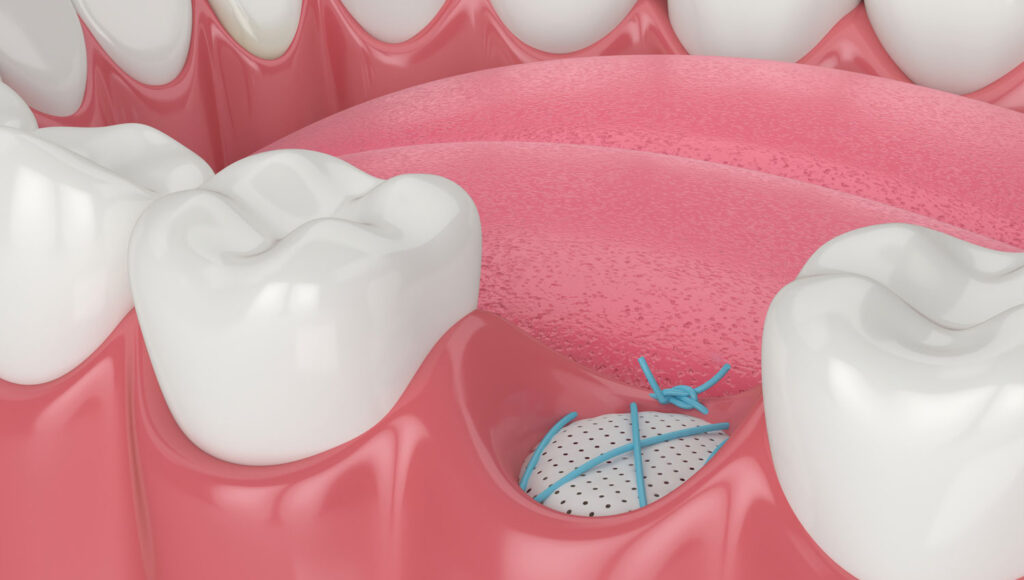
From a practical standpoint, patients who consume adequate lean protein often experience better post procedural healing. This includes recovery following periodontal therapy, extractions, or implant placement. Protein supports wound healing by aiding in cell turnover, blood vessel formation, and tissue repair, all of which are essential for favorable outcomes.

It is also important to consider how lean protein fits into broader dietary counseling. Encouraging balanced meals that include protein, fiber rich vegetables, and essential micronutrients can complement mechanical plaque control and professional care. This integrated approach reinforces the idea that oral health is closely tied to systemic health.

In consultations with your Mission Viejo dentist, highlighting the role of lean protein can help patients better understand how dietary choices influence gum health beyond brushing and flossing alone. While protein is not a substitute for proper oral hygiene or professional treatment, it is a foundational component that supports periodontal stability and long term oral wellness.

Lean protein plays a meaningful role in maintaining healthy gums by supporting tissue repair, immune function, and inflammation control. Its inclusion in a balanced diet should be encouraged as part of a comprehensive approach to periodontal care.


Is a Softer Toothbrush Recommended for Sensitive Teeth?

By Dental News and Tips

Tooth sensitivity is a common concern encountered in clinical practice, and one of the most frequent questions patients ask is whether switching to a softer toothbrush can make a meaningful difference. In most cases, the answer is yes. A soft toothbrush is often recommended for patients experiencing sensitivity, particularly when enamel wear or gingival recession is present.

When Does Tooth Sensitivity Occur?

Tooth sensitivity can occur when the protective enamel layer is compromised or when gum tissue recedes, exposing the underlying dentin. Dentin contains microscopic tubules that lead directly to the tooth’s nerve, making it more reactive to temperature changes and tactile stimulation. Using a toothbrush with medium or hard bristles can accelerate enamel abrasion and contribute to further gum recession, worsening sensitivity over time.

Soft-bristled toothbrushes are designed to clean effectively while minimizing mechanical trauma. When paired with proper brushing technique, soft bristles are capable of removing plaque and debris without excessive pressure. Many patients mistakenly believe that firmer bristles provide a better clean, but research consistently shows that brushing technique and duration are far more important than bristle stiffness.

Brushing Force is Another Factor 

Patients with sensitive teeth often apply excessive pressure, either consciously or unconsciously, in an attempt to achieve a cleaner feel. A soft toothbrush can be more gentle in these situations, reducing the likelihood of enamel wear and soft tissue damage. Some clinicians also recommend electric toothbrushes with pressure sensors to help patients moderate their brushing habits.

Optimizing Your Toothbrush Selection

It is also worth noting that toothbrush selection should be evaluated alongside toothpaste choice. Desensitizing toothpastes can help block nerve signals within the dentin, but their effectiveness can be reduced if aggressive brushing continues. Recommending a soft toothbrush reinforces the broader goal of protecting enamel and preserving gingival health.

From a preventive standpoint, advising patients with sensitivity to use a soft toothbrush aligns well with long term oral health goals. It reduces the risk of non carious cervical lesions, minimizes inflammation, and supports tissue healing. For patients who already exhibit signs of erosion or recession, this recommendation becomes even more critical.

A soft toothbrush is not just recommended for sensitive teeth, but often essential. When combined with appropriate technique and regular professional evaluations, it plays a meaningful role in managing sensitivity and protecting the integrity of both teeth and gums.

How a Good Diet Helps Maintain Healthy Gums

By Dental News and Tips

Your diet plays a major role in your overall oral health—especially when it comes to your gums. While brushing and flossing are essential, what you eat every day can either support or harm your gum tissue.

Nutrients That Strengthen Gums

Vitamin C is one of the most important nutrients for gum health. It helps repair connective tissue and prevent gum inflammation. Foods like oranges, strawberries, and bell peppers are great sources. Calcium, found in dairy products and leafy greens, strengthens the bone that supports your teeth, while vitamin D helps your body absorb that calcium effectively.

The Role of Antioxidants

Antioxidant-rich foods, such as berries, nuts, and green tea, help fight the bacteria and inflammation associated with gum disease. Omega-3 fatty acids—found in salmon, walnuts, and flaxseeds—are also known to reduce gum inflammation.

What to Limit

Sugary snacks and acidic beverages can affect both your teeth and gums. Sugar adds harmful bacteria that cause plaque and lead to gum irritation or infection. Sticky foods and sodas are especially damaging if consumed frequently.

Hydration Matters Too

Staying hydrated helps your body produce saliva, which naturally cleanses your mouth and prevents harmful bacterial buildup.

Professional Support for Healthy Gums

Our Mission Viejo dentist, Dr. Gruita emphasizes a holistic approach to dental care—combining expert cleanings with nutritional guidance. With over 17 years of experience as a trusted cosmetic dentist, she helps patients understand how dietary choices directly impact their oral health.

Eating a well-balanced diet not only strengthens your gums but also supports your entire smile. Pairing healthy eating habits with regular dental visits ensures your gums remain strong, pink, and disease-free for life.

What Can Dental X-Rays Find?

By Dental News and Tips

Dental X-rays are one of the most valuable diagnostic tools in modern dentistry. While your dentist can detect many issues during a visual exam, X-rays reveal what’s hidden beneath the surface, which can allow for early detection and more effective treatment.

Detecting Cavities and Decay

X-rays can spot cavities that aren’t visible to the naked eye, especially those between teeth or beneath existing fillings. Catching decay early helps prevent more serious problems like infection or tooth loss.

Assessing Bone Health

Dental X-rays show the condition of the bone surrounding your teeth. This is essential for diagnosing periodontal (gum) disease or evaluating whether you have enough bone density to support dental implants.

Monitoring Tooth Development

For children and teens, X-rays help track the growth of permanent teeth and identify potential alignment issues early. For adults, they reveal impacted teeth, such as wisdom teeth, that may require extraction.

Detecting Infections and Abscesses

Sometimes infections develop below the gum line or inside a tooth’s root. X-rays can uncover these hidden problems before they cause severe pain or swelling.

Evaluating Restorative and Cosmetic Needs

Our cosmetic dentist in Mission Viejo, Dr. Gruita uses digital X-rays to design precise, personalized treatment plans for everything from fillings to Invisalign. As an experienced cosmetic dentist, she ensures that both function and aesthetics are considered in every diagnosis.

Modern dental X-rays are safe, quick, and use minimal radiation exposure. Regular imaging is a key part of preventive care—helping you maintain a healthy, confident smile for years to come.

Dehydration: How Will It Affect My Smile?

By Dental News and Tips

When you think of dehydration, you might picture feeling thirsty or tired—but did you know it can also affect your smile? Staying hydrated is important in maintaining both healthy teeth and gums. Even mild dehydration can impact your oral health in ways you might not expect.

The Role of Saliva in Oral Health

Saliva plays a vital role in keeping your mouth healthy. It helps wash away food particles, neutralize harmful acids, and support the natural remineralization of tooth enamel. When you’re dehydrated, saliva production decreases, leading to a condition known as dry mouth (xerostomia).

Consequences of a Dry Mouth

Without enough saliva, bacteria and food debris can linger on your teeth and gums, leading to bad breath, plaque buildup, and an increased risk of cavities. Over a period of time, a persistently dry mouth can also contribute to gum irritation and increase the risk of infection. 

The Link Between Hydration and a Bright Smile

Adequate hydration doesn’t just prevent decay—it also supports a naturally bright smile. Saliva helps keep your enamel strong and prevents discoloration caused by lingering acids or food particles.

How to Stay Hydrated and Protect Your Smile

Drink plenty of water throughout the day, especially after consuming coffee, alcohol, or salty foods, which can contribute to dehydration. You can also eat water-rich fruits and vegetables like cucumbers and oranges to boost your hydration levels.

If you’re experiencing chronic dry mouth, your Mission Viejo dentist at Pro Health Dental can help identify the cause and recommend treatment. Under our expert care, you can restore comfort, freshness, and balance to your smile.

Potential Reasons for Teeth Grinding

By Dental News and Tips

Teeth grinding can occur while you’re awake or asleep. Many patients do not notice that they grind their teeth until a partner mentions the noise at night or a dentist notices the signs during an exam. Although it may seem initially harmless, chronic teeth grinding can lead to jaw pain, tooth damage, headaches, and even disrupted sleep. Understanding the potential causes of bruxism is the first step toward effective management.

Stress and Anxiety

One of the most common triggers for teeth grinding is emotional stress or anxiety. People who are under pressure may clench their jaw or grind their teeth without realizing it, especially during sleep. This process can become a physical outlet for unresolved tension and nervous energy.

Sleep Disorders

Teeth grinding is often linked to other sleep disorders, such as sleep apnea. Individuals with obstructive sleep apnea may clench or grind their teeth in response to interrupted breathing. Treating the underlying sleep condition can often reduce or eliminate bruxism.

Misaligned Bite or Missing Teeth

Dental misalignment—where the teeth don’t fit together properly—can cause grinding as your jaw tries to find a more comfortable position. Missing or crooked teeth can also contribute to bruxism, especially if the bite imbalance causes jaw strain during rest.

Lifestyle Habits

Certain habits and substances can elevate teeth grinding risks. These include smoking, excessive alcohol consumption, and use of stimulants like caffeine or certain medications. These factors may over-activate the muscles responsible for jaw movement, especially at night.

Medications and Medical Conditions

Some antidepressants and psychiatric medications can lead to bruxism as a side effect. Additionally, neurological conditions such as Parkinson’s disease and Huntington’s disease have been associated with involuntary teeth grinding.

Personality Type

Individuals with aggressive, competitive, or hyperactive personalities may be more likely to grind their teeth. These personality traits may lead to additional muscle tension and unconscious jaw activity.

How Your Mission Viejo Dentist Can Help

If you suspect you grind your teeth—whether you’re waking up with jaw pain or your partner hears it at night—a dental evaluation is essential. At Pro Health Dental in Mission Viejo, Dr. Gruita offers customized solutions, including nightguards to protect your teeth and minimize muscle strain. As a highly experienced cosmetic dentist, Dr. Gruita can also assess any damage caused by grinding and recommend restorative treatments if needed.

Periodontal Consultation

Why a Periodontal Consultation is Recommended

By Dental News and Tips

Maintaining healthy gums is just as important as keeping your teeth clean. While many dental visits focus on cavities or cosmetic concerns, your gums play a foundational role in your overall oral health. This is why a periodontal consultation is strongly recommended—especially if you’re experiencing symptoms like gum bleeding, swelling, or persistent bad breath.

Detect Early Signs of Gum Disease

A periodontal consultation involves a comprehensive evaluation of your gums and supporting structures. It is designed to detect early signs of gum disease (gingivitis or periodontitis), assess bone loss, and review any habits or health conditions that may contribute to gum issues. The earlier these concerns are detected, the more conservative and effective the treatment options will be.

Problems May Not Be Visible Until their Advanced Stages

Gum disease is often silent in its early stages. Many patients don’t realize they have a problem until it has progressed. Left untreated, periodontal disease can lead to gum recession, tooth mobility, and eventually tooth loss. Even more concerning, advanced gum disease has been linked to systemic conditions such as diabetes, heart disease, and respiratory illness.

At our practice in Mission Viejo, Dr. Gruita brings more than 17 years of expertise to every dental evaluation, including periodontal consultations. After obtaining her California Dental License from UOP San Francisco in 2002, Dr. Gruita practiced in both Mission Viejo and Newport Beach. She is a committed lifelong learner, having completed countless hours of continuing education to stay at the forefront of dentistry.

Dr. Gruita is a certified provider of Invisalign orthodontics and integrates her knowledge of healthy, functional, and aesthetic dentistry into all areas of care—including gum health. Whether you’re seeking preventive care or already suspect gum disease, she takes a comprehensive, patient-focused approach to help you achieve optimal oral health.

Her long-standing membership in professional organizations like the American Dental Association (ADA), California Dental Association (CDA), and the Orange County Dental Society (OCDS) since 2002 reflects her commitment to high standards of care. As a proud member of the Mission Viejo Chamber of Commerce and a multi-year recipient of the “America’s Top Dentist” recognition, Dr. Gruita is deeply invested in both her professional excellence and her local community.

If it’s been a while since your last gum evaluation—or if you’re experiencing symptoms of gum irritation—now is the time to schedule a periodontal consultation. Early action protects your teeth, gums, and overall well-being. With our Mission Viejo dentist’s experienced care, you can feel confident knowing your oral health is in expert hands.

Removing Daily Buildup to Protect Your Teeth

By Dental News and Tips

Each day, plaque can accumulate on your teeth—a soft, sticky film full of bacteria. This daily buildup, if not removed, can harden into tartar and lead to cavities, gum disease, and bad breath. That’s why daily oral hygiene habits are essential for maintaining a healthy smile.

Choose the Right Toothpaste

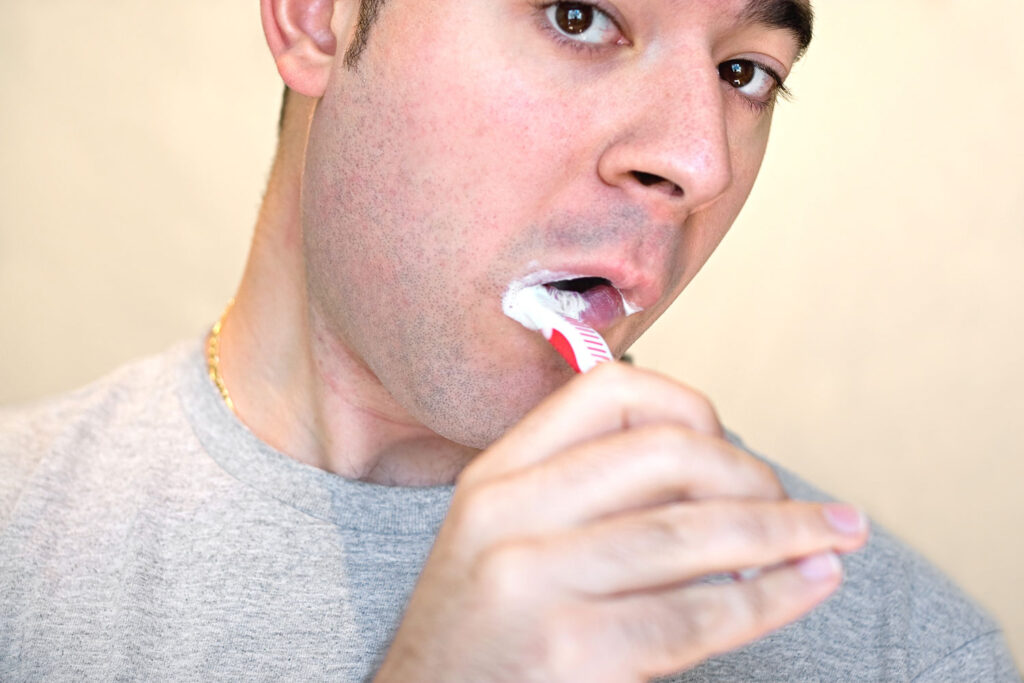
Brushing your teeth twice a day for two minutes is the first step. Use a fluoride toothpaste and a soft-bristled toothbrush, brushing all surfaces of your teeth—including the fronts, backs, and chewing surfaces. Don’t forget to brush your tongue, where bacteria also reside.

Removing Plaque and Food Debris

Flossing complements brushing by removing plaque and food debris from between your teeth and along the gumline. These are areas where a toothbrush simply can’t reach.

Mouthwash can also be a useful addition to your routine. Antibacterial rinses help reduce bacteria and freshen breath, while fluoride rinses strengthen enamel.

Regular Dental Exams

In addition to your home care routine, regular visits to your dentist at Pro Health Dental in Mission Viejo are vital. Even with excellent brushing and flossing, some plaque will harden into tartar, which can only be removed with professional cleaning. Our team, including our experienced cosmetic dentist, ensures that your teeth remain clean, healthy, and beautiful.

Removing daily buildup is not just about avoiding cavities—it’s about protecting your overall health. Poor oral hygiene has been linked to heart disease, diabetes, and respiratory problems. By being consistent and thorough with your daily routine, you’re investing in a lifetime of healthy smiles.

Flossing with the Proper Technique Matters

By Dental News and Tips

Flossing is an essential part of daily oral hygiene, yet many people either skip it or do it incorrectly. Proper flossing removes plaque and food particles from between teeth and along the gumline—areas your toothbrush can’t reach.

A Gentle Method and Approach

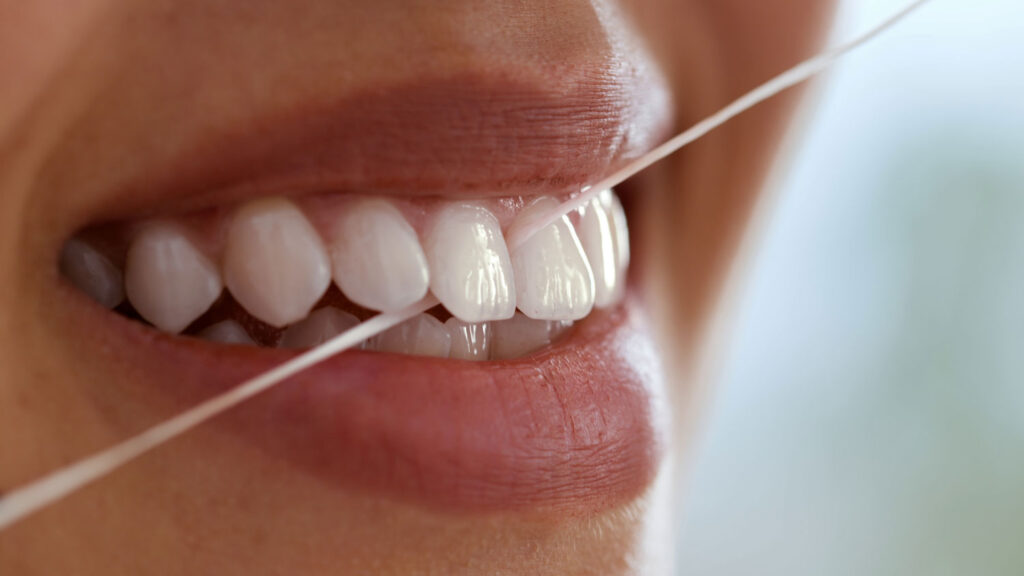
To floss correctly, start with about 18 inches of dental floss, winding most of it around your middle fingers and leaving a couple of inches to work with. Use a gentle motion to slide the floss between your teeth using a back-and-forth motion. Avoid snapping the floss, which can harm the gums.

Flossing Between Teeth

Once the floss is between the teeth, curve it into a “C” shape against one tooth and slide it gently beneath the gumline. Then, use an up-and-down motion to clean the side of the tooth. Repeat this process on the adjacent tooth and continue the routine for all your teeth, including the back molars.

Preventing Plaque Buildup

Flossing improperly—or not at all—can lead to plaque buildup, gum inflammation, and even periodontal disease. At Pro Health Dental, we emphasize the importance of technique as much as consistency to protect your oral health.

Whether you’re using traditional floss, floss picks, or a water flosser, what matters most is reaching those tight spaces and cleaning thoroughly. Proper flossing only takes a few minutes each day but can save you from cavities, gum disease, and more significant dental work down the road.

How Does a Tooth Become Infected?

By Dental News and Tips

A tooth infection, also known as a dental abscess, occurs when bacteria invade the innermost part of the tooth, known as the pulp. This soft tissue contains nerves and blood vessels, and once infected, it can cause pain, swelling, and serious complications if left untreated.

Tooth Decay

The infection can begin with tooth decay. When plaque—a sticky film of bacteria and food particles—builds up on your teeth and isn’t removed by brushing and flossing, it starts to erode the enamel. As the enamel wears down, bacteria can reach deeper layers of the tooth.

If the decay progresses past the enamel and dentin, it reaches the pulp. Here, the bacteria multiply and cause inflammation. The body responds with an immune reaction, often leading to pus buildup, swelling, and pain. In some cases, the infection can spread to the surrounding bone or tissue, making the condition more dangerous.

Tooth Trauma

Cracks or trauma to the tooth can also open a direct path for bacteria to enter the pulp, even in the absence of decay. This is why protecting your teeth during sports or after dental procedures is important to your long-term health.

Signs of a tooth infection include severe toothache, sensitivity to hot or cold, swollen gums, a bad taste in the mouth, or even fever. If you notice these symptoms, prompt dental treatment is essential.

At Pro Health Dental in Mission Viejo, our team—including our cosmetic dentist—can treat infected teeth with procedures like root canals or extractions when necessary, helping you regain comfort and health.