
Why Catching Cavities Early Matters
Cavities do not usually develop overnight. Tooth decay is a gradual process, and the earlier it is identified, the more treatment options may be available. Unfortunately, many patients wait until they experience tooth pain or sensitivity before scheduling an appointment. By that point, the damage may have progressed beyond the enamel.
Early cavity detection gives dentists an opportunity to address decay before it compromises more of the natural tooth structure.
Cavities Do Not Always Cause Immediate Symptoms
One of the challenges with tooth decay is that early cavities can develop without causing noticeable discomfort. A small area of weakened enamel may not produce pain, making it difficult for patients to recognize that anything is wrong.
As decay advances into the dentin, patients may begin noticing sensitivity to hot, cold, or sweet foods. If bacteria eventually reach the pulp, symptoms can become more severe and may include persistent pain, swelling, or infection.
Regular dental examinations help identify these changes before symptoms become more noticeable.
How Dentists Identify Early Tooth Decay
During a routine examination, the dentist evaluates tooth surfaces for discoloration, weakened enamel, and other signs of decay. Dental X-rays may also be recommended to identify cavities between teeth or beneath existing restorations that are difficult to see during a visual examination.
Digital imaging provides additional information about the condition of the teeth and surrounding structures. This allows your Mission Viejo dentist to make more informed decisions about whether a suspicious area requires monitoring, preventive treatment, or restoration.
Not every early area of demineralization requires a filling. Depending on the extent of damage, fluoride treatments, improved home care, and dietary adjustments may help strengthen enamel and slow or reverse early mineral loss.
Why Early Treatment Can Be Less Invasive
When a cavity is detected while it is still relatively small, treatment may only require a dental filling. The decayed portion is removed, and the remaining tooth structure is restored with an appropriate filling material.
However, when decay is allowed to spread, more extensive procedures may become necessary. Larger cavities may require dental crowns to restore strength and protect the remaining tooth. If the infection reaches the pulp, root canal therapy followed by a crown may be recommended.
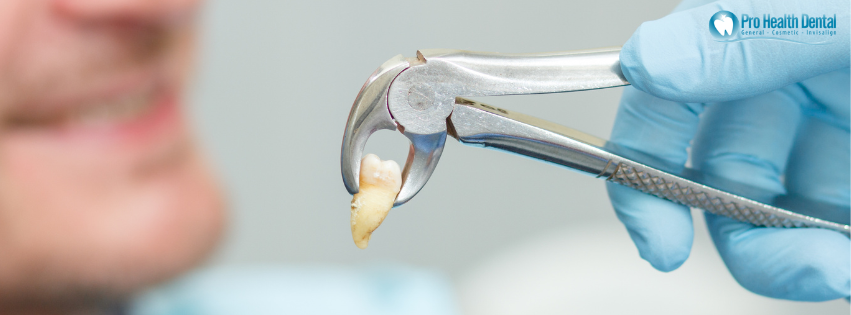
In severe cases where the tooth cannot be restored, extraction may become necessary.
Addressing decay early can help patients avoid additional appointments, more complicated procedures, and greater treatment expenses.
Making Preventive Visits a Priority
Routine dental examinations are an important part of protecting natural teeth. Most patients benefit from regular checkups every six months, although some may need more frequent visits depending on their cavity history and individual oral health needs.
At Pro Health Dental in Mission Viejo, Dr. Gruita emphasizes early detection and preventive care. With more than 20 years of experience, she works with patients to identify potential concerns and recommend appropriate treatment options.
She is an active member of the California Dental Association (CDA), American Dental Association (ADA), and Orange County Dental Society (OCDS).
Taking care of a small cavity today can help prevent a much larger dental problem tomorrow. Regular examinations and timely treatment remain two of the most effective ways to protect your teeth for the long term.